Frequently asked questions
Is the novel fiction or based on true events?
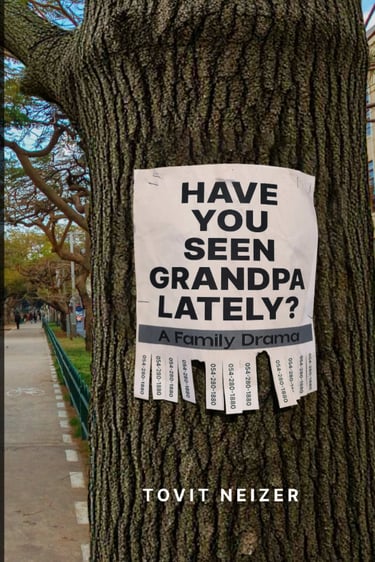
While the novel is completely fictional, it is based on 50 interviews I conducted with Filipino caregivers who live and work in Tel Aviv, Israel. Their unique and fascinating personal stories and life experiences helped me build the heroine of the book, who is a caregiver from the Philippines.
Why did you choose to speak with 50 caregivers?
I decided that in order to truly understand the characters I’m writing, their life choices, hardships, and journeys, I needed to speak with many people. All interviewees share a similar story: they are all women, mostly mothers who left their young children behind and traveled thousands of kilometers to a foreign country. All of them share the same goal: to save enough money to secure a better future for their children.
Fifty was a large enough number to give me meaningful insight into their mindset, while still being feasible to achieve (the process took a few intense months of interviews and research).
What did you learn during your research? And what surprised you the most?
I learned about the caregivers’ hardships - leaving their families for many years and working extremely hard, both mentally and physically, with one goal in mind: saving money for their children’s future. I also learned about the emotional challenge of caring for someone else’s parents while being far away from their own.
I was surprised by the incredible, almost Cinderella-like stories, and inspired by their financial literacy - their ability to build micro-businesses and manage their money wisely.
Did you also meet with and interview old people before writing the novel?
After completing the 50 interviews with caregivers, I set out to speak with older men to help build the grandfather’s character. This was pre-COVID, and I was able to visit long-term care homes and meet fascinating people.
I learned about their feelings toward professional caregivers and what it meant to be assigned one. Some shared their complex relationships with family members and their feelings about aging.
Does your novel deal with the sandwich generation?
The sandwich generation appears in my novel through Rina, the daughter of the missing grandfather. She is a vibrant and busy woman in her 60s who refuses to confront retirement, even as she feels it approaching. At the same time, she is caught between family demands: her daughter expects help with the grandchildren, while her aging father needs care as well. Although she tries her best on all fronts, at times it feels like she cannot have it all.
Who are the transparent people in your novel?
When I began writing the book, I thought of two transparent characters: the old man and his caregiver. But throughout the writing process, I realized there are many transparent characters around them. Rina, who is part of the sandwich generation, is definitely one of them. Someone society expects to manage everything while sacrificing her own desires.
I would love to read your book as it is an important topic, but life is too depressing as it is
This is a tricky comment. Without spoiling the ending or the mystery the book unfolds, I would say that reading it won’t add to heavy feelings, but rather offer something different. I hope this is enough to convince you to embark on this journey, I promise it’s worth your time.
What differences did you note between Western society and that of the Far East?
As caregiving for older people is at the heart of the novel, the differences between Western and Eastern societies on this topic are quite striking. While the pace of Western life often leads families to bring in paid help, many Eastern societies still maintain a multigenerational structure that enables family members to care for their elderly.
The novel, and my own perspective, does not aim to criticize either approach, but rather to highlight the different circumstances that shape each society, along with their respective implications and costs.